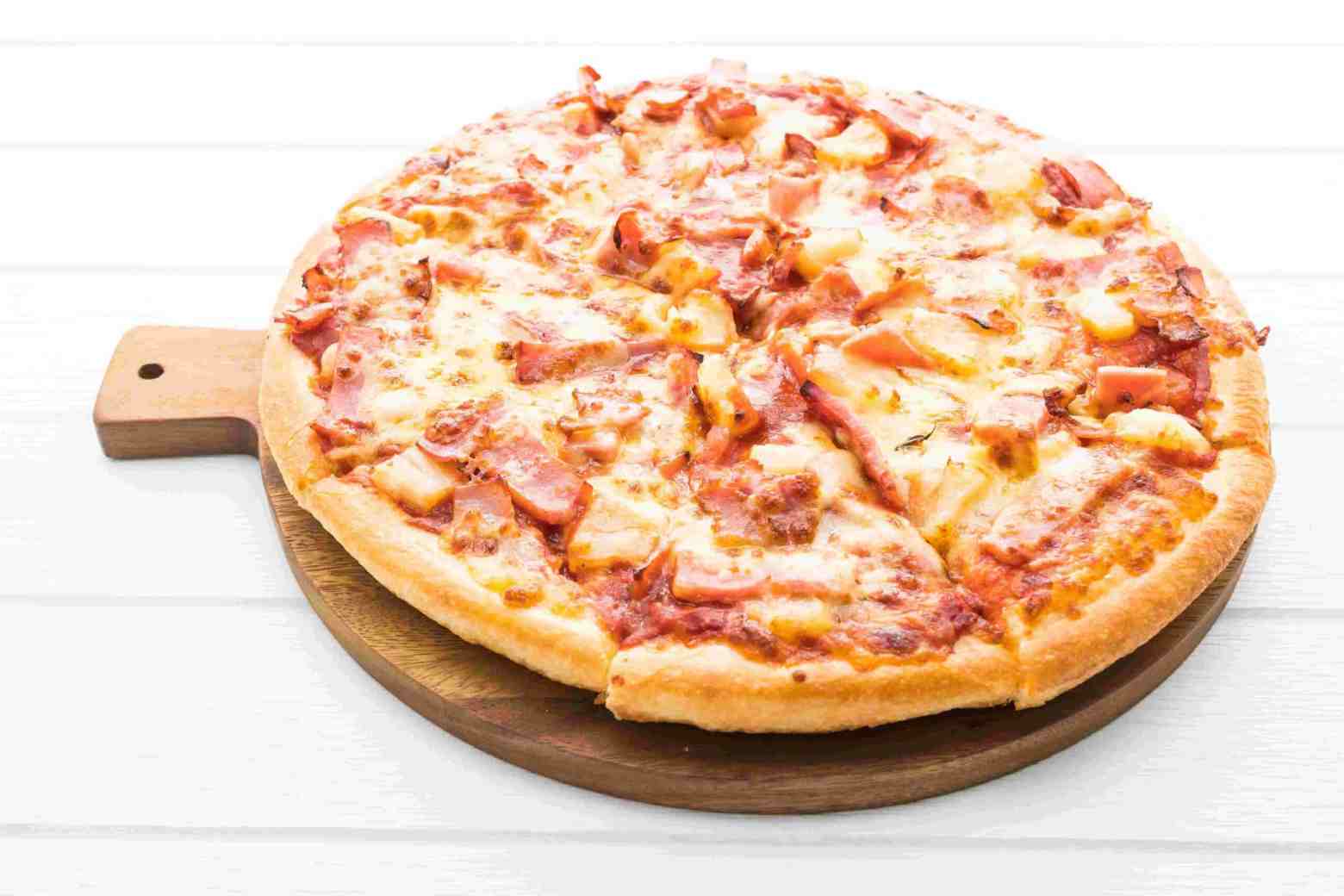
The best words to describe pizza are sensory ones: savory, tangy, cheesy, crispy, chewy, gooey, golden-brown, blistered, aromatic and smoky. A specific word tells the reader what the pizza is actually like. “Delicious” only says that you liked it.
Below are more than 100 pizza adjectives grouped by taste, smell, texture, look and crust style. You will also find fancy menu words, words for a bad pizza, and example sentences you can copy.
In This Guide
Words to Describe Pizza: Quick List
| What you are describing | Best words |
|---|---|
| Taste | savory, tangy, rich, cheesy, garlicky, herby, spicy, peppery, smoky, briny, zesty, buttery, umami-rich, sweet-and-salty, well-seasoned |
| Smell | aromatic, yeasty, toasty, fragrant, garlicky, smoky, herbal, nutty, oven-fresh, mouthwatering |
| Texture | crispy, crunchy, chewy, airy, pillowy, tender, foldable, gooey, melty, stretchy, light, sturdy |
| Look | golden-brown, blistered, bubbling, glistening, charred, leopard-spotted, colorful, rustic, generously topped |
| Overall | satisfying, comforting, crave-worthy, hearty, shareable, indulgent, irresistible, classic, versatile |
Words to Describe Pizza Taste
Taste words work best when they point to a specific ingredient. Here is what each part of a pizza usually tastes like:
- Savory – the overall meaty, cheesy depth of a good pie.
- Tangy – bright tomato sauce with a little acidity.
- Rich – plenty of whole-milk mozzarella, cream or olive oil.
- Garlicky – roasted or fresh garlic in the sauce or oil.
- Herby – oregano, basil or thyme in the sauce or on top.
- Spicy or peppery – pepperoni, chili flakes, jalapeños or hot honey.
- Smoky – wood-fired crust, smoked cheese or cured meats.
- Briny – olives, capers or anchovies.
- Umami-rich – Parmesan, mushrooms, cured meats and cooked tomato.
- Sweet-and-salty – pineapple and ham, or prosciutto and fig.
- Well-seasoned – salt, herbs and spice in balance, with nothing overpowering.
Example: “The sauce is tangy and garlicky, and the pepperoni adds a smoky, peppery kick.”
Words to Describe the Smell of Pizza
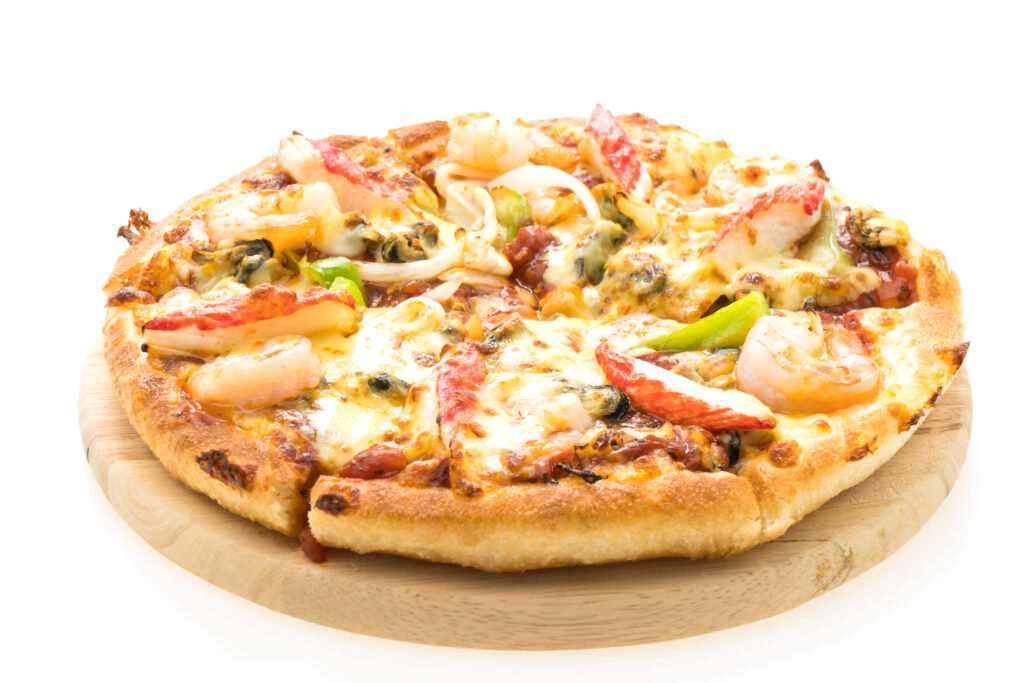
Most of the smell of fresh pizza comes from browning in the oven, when the crust and cheese toast. Useful smell words include:
- Yeasty – freshly baked dough, especially slow-fermented or sourdough crusts.
- Toasty – a well-browned crust bottom and edge.
- Nutty – cheese that has browned in spots.
- Fragrant or herbal – fresh basil or dried oregano.
- Garlicky – garlic oil or garlic butter crust.
- Smoky – wood-fired or coal-fired ovens.
- Oven-fresh – the warm smell of a pizza straight from the oven.
Example: “The whole kitchen smelled toasty and garlicky, with a hint of fresh basil.”
Words to Describe Pizza Texture
Texture is where most pizza descriptions go wrong. “Crispy” and “chewy” are not opposites, because the best crusts are both.
- Crispy or crunchy – a firm, crackly bottom or edge.
- Chewy – a bready crust with some pull, typical of New York-style pizza.
- Airy or pillowy – a puffy, open rim, typical of Neapolitan pizza.
- Tender – soft dough that is easy to bite.
- Foldable – a thin slice you can fold lengthwise without it cracking.
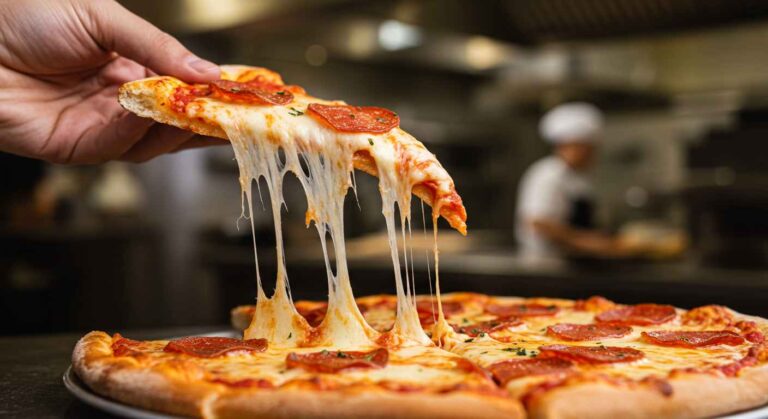
- Gooey, melty or stretchy – hot mozzarella that pulls into strings.
- Sturdy – a crust that holds heavy toppings without drooping.
- Flaky or buttery – pan and deep-dish crusts baked in oil or butter.
Words to Describe How Pizza Looks
- Golden-brown – evenly baked crust and cheese.
- Blistered or leopard-spotted – small dark char spots on a wood-fired crust.
- Bubbling – cheese still bubbling straight from the oven.
- Glistening – a light sheen of olive oil or melted cheese.
- Cupped – small pepperoni slices that curl into crispy cups.
- Rustic – hand-shaped and a little uneven, in a good way.
- Colorful or vibrant – red sauce, green basil, white mozzarella, peppers and other bright toppings.
- Generously topped – toppings reach the edge without hiding the crust.
Words for Different Pizza Styles
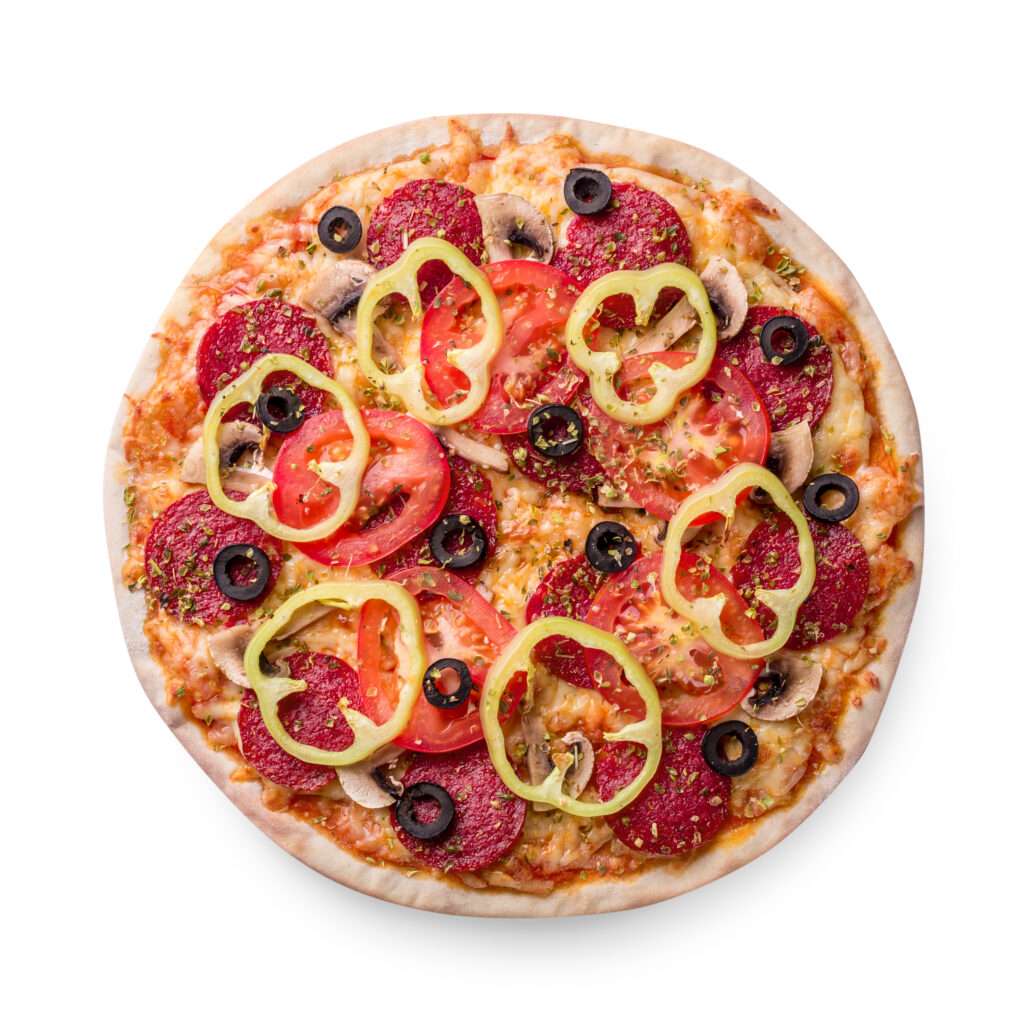
Each style has its own vocabulary. Using the right one shows you know what you are eating. Our pizza terminology guide explains more of these terms.
- Neapolitan – soft, airy, blistered, leopard-spotted, wood-fired, soupy in the center.
- New York-style – thin, foldable, chewy, large slices with a crisp bottom.
- Chicago deep-dish – thick, buttery, hearty, layered, saucy.
- Detroit-style – rectangular, crispy-edged, airy, with caramelized cheese edges.
- Thin crust or tavern-style – cracker-thin, crunchy, cut into squares.
- Grandma or Sicilian – square, pan-baked, olive-oily, crisp on the bottom.
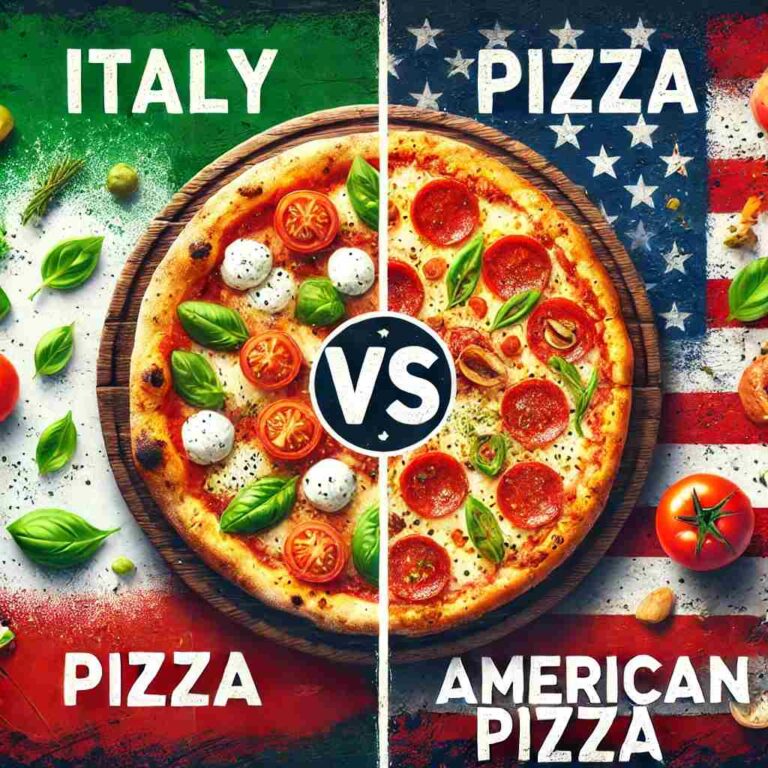
Want to compare the two biggest traditions? See Italian pizza vs American pizza.
How to Describe Pizza in a Fancy Way
Restaurant menus sound refined because they name the method and the ingredients instead of piling on adjectives. Try these words:
- Method: hand-stretched, slow-fermented, stone-baked, wood-fired, naturally leavened
- Ingredients: San Marzano tomatoes, fior di latte, fresh mozzarella, aged Parmigiano, extra-virgin olive oil, house-made sausage
- Style words: artisanal, rustic, delicate, elevated, decadent, seasonal
Example menu description: “Hand-stretched, 48-hour dough topped with San Marzano tomatoes, fior di latte and fresh basil, baked in a wood-fired oven and finished with a drizzle of extra-virgin olive oil.”
Words to Describe a Bad Pizza
Sometimes you need the opposite list, for a review or for honest feedback:
- Soggy – a wet center, often from too much sauce or watery toppings.
- Greasy – pools of oil on top or a slick crust bottom.
- Doughy or undercooked – a pale, gummy crust.
- Burnt – bitter, blackened spots, beyond pleasant char.
- Bland – under-seasoned sauce or crust.
- Rubbery – cheese that has cooled or was overcooked.
- Cardboard-like – a dry, flavorless crust.
If your cheese keeps burning at home, read why pizza cheese burns.
Tips for Writing About Pizza
- Pick one word per sense. “Crispy, tangy and smoky” says more than “amazing, delicious and tasty”.
- Name the part. Describe the crust, sauce, cheese and toppings separately.
- Use verbs. Cheese bubbles, crusts crackle, and sauce sings with garlic.
- Be specific about toppings. “Thin-sliced red onion” beats “onions”. See our A–Z list of pizza toppings for names.
- Do not overload. Two or three strong adjectives per sentence is enough.
For background on how pizza developed from Naples into a global food, see Britannica’s entry on pizza.
Frequently Asked Questions
What are good words to describe pizza?
The most useful words are specific to one sense: savory, tangy or garlicky for taste; yeasty, toasty or smoky for smell; crispy, chewy, airy or gooey for texture; and golden-brown, blistered or bubbling for looks. Specific words describe pizza better than general ones like “good” or “delicious”.
How do you describe the smell of pizza?
Fresh pizza smells yeasty and toasty from the baked crust, sweet and tangy from cooked tomato, nutty from browned cheese, and herbal from oregano or basil. A wood-fired pizza adds a smoky, slightly charred note.
How do you describe pizza in a fancy way?
Name the method and the ingredients: “hand-stretched, slow-fermented dough, San Marzano tomatoes and fior di latte, finished with fresh basil and extra-virgin olive oil.” Words like artisanal, rustic, blistered and wood-fired sound refined without sounding forced.
How do you describe the taste of pizza?
A classic cheese pizza tastes savory and rich from the mozzarella, bright and slightly sweet from the tomato sauce, and lightly salty and toasty from the crust. Toppings add more: pepperoni is spicy and smoky, olives are briny, and mushrooms are earthy.
How do you compliment a good pizza?
Point to something specific: “The crust is perfectly crisp but still chewy,” “The sauce is so bright and fresh,” or “The cheese pull on this is unreal.” Specific praise sounds more sincere than “this is good”.
What words describe bad pizza?
Common negative words are soggy, greasy, doughy, undercooked, burnt, bland, rubbery (for cheese), and cardboard-like (for crust).
it is a wonderful pizza website I like it so much
Pizza is my Favorite food. Like totally
Pizza is my Favorite food. Like totally